The DDR3 Resurgence: Why Legacy Memory is Breaking the Market in 2026
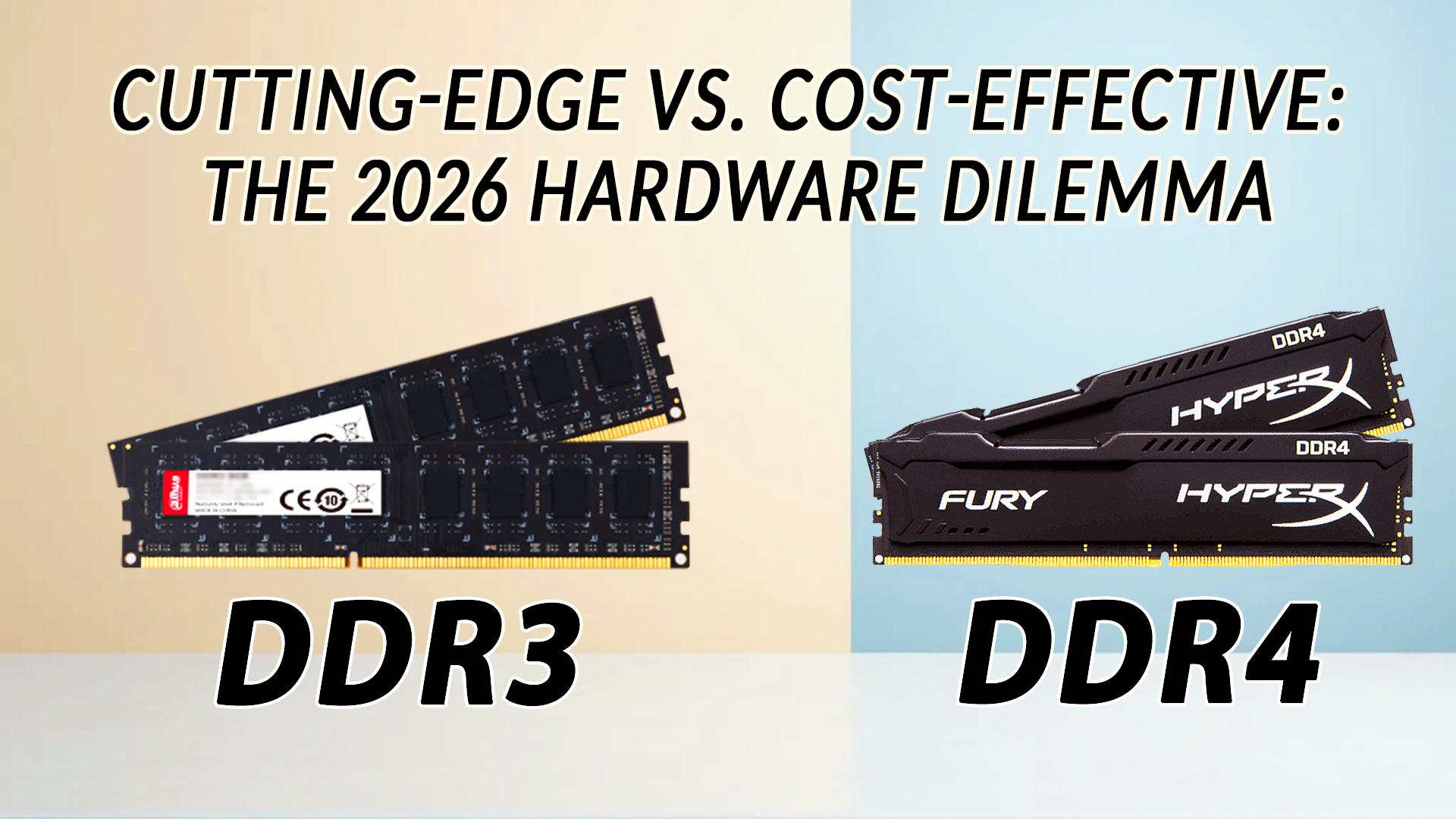
In the tech industry, “newer” is usually synonymous with “better.” However, 2026 is witnessing a massive market anomaly. While DDR5 and HBM (High Bandwidth Memory) dominate headlines, DDR3 memory is making an aggressive comeback in the budget and enterprise-lite sectors.
This isn’t a step backward; it’s a strategic pivot for builders facing a hardware market warped by the AI boom.
The Catalyst: The AI “Squeeze”
The primary reason for this shift is supply chain prioritization. Major manufacturers (Samsung, SK Hynix, Micron) have reallocated up to 80% of their production lines to HBM3e and DDR5 to satisfy the insatiable demand for AI data centers and Blackwell-class GPUs.
- DDR5 Scarcity: Consumer-grade DDR5 prices remain inflated as production focuses on high-margin server modules.
- The DDR4 Middle-Ground: With Intel’s latest sockets and AMD’s AM5+ fully abandoning DDR4, the “bridge” technology has reached a dead end, leaving a vacuum for ultra-low-cost builds.
Why DDR3 is Dominating the 2026 “Value” Segment
Data from TrendForce and Board Channels indicates that DDR3 search volume and secondary market sales have tripled in the last six months. The value proposition is simple: Utility vs. Cost.
- Platform Affordability: You can currently acquire a full “Golden Era” kit (Intel i7-4790K or Xeon E3 series + Z97 Motherboard + 32GB DDR3) for less than the price of a single high-end 32GB DDR5 stick.
- Performance Sufficiency: For 1080p office work, NAS (Network Attached Storage) configurations, and esports titles like League of Legends or CS2, the latency-to-performance ratio of high-clocked DDR3 (2133MHz) remains surprisingly snappy.
- The Secondary Market Surplus: Millions of decommissioned enterprise units have flooded markets like eBay and AliExpress, ensuring a stable supply that isn’t affected by modern silicon shortages.
Global Impact: From Home Labs to “X99” Kits
While the trend is led by the “X99/Xeon” kit phenomenon in Asia, Western markets are seeing a spike in Home Lab enthusiasts. Building a 64GB or 128GB RAM server for virtualization or Plex is financially unfeasible on DDR5 for most hobbyists, making legacy DDR3/DDR4 enterprise gear the logical choice.
Critical Risks: Avoiding the “Gambiarra”
At HackStec, we prioritize reliability. As demand for DDR3 rises, so do risky modifications.
- Avoid Laptop-to-Desktop Adapters: Using “SO-DIMM to Desktop” converters is a recipe for instability and electrical shorts.
- Check Voltage: Remember that standard DDR3 runs at 1.5V, while DDR3L runs at 1.35V. Mixing these on older boards can lead to BIOS posting issues or long-term degradation.
- Zero Upgrade Path: Investing in DDR3 is a “dead-end” purchase. Buy it for what it can do now, not for future-proofing.
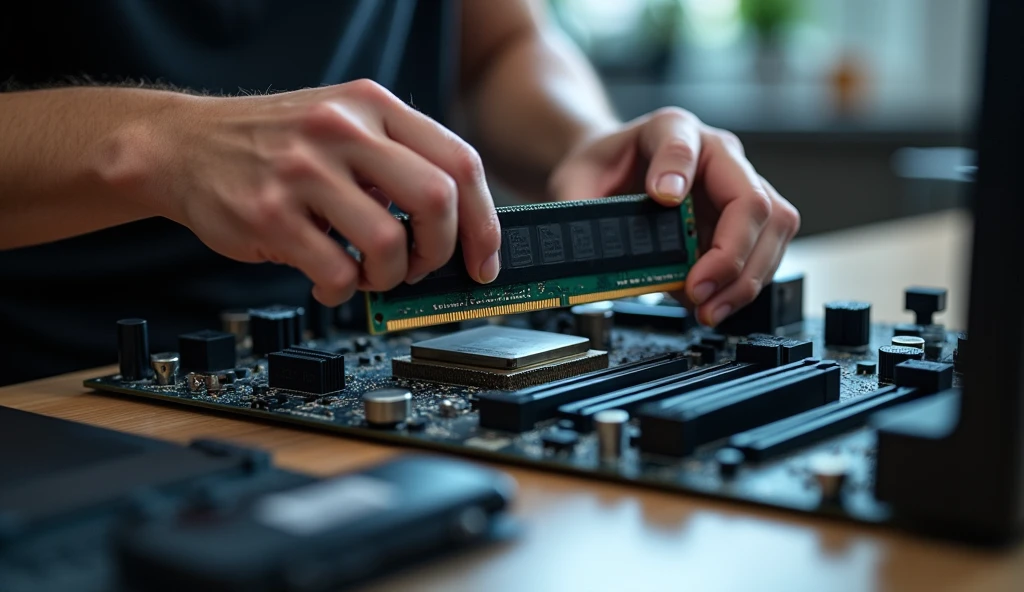
Illustrative image AI / HackStec
HackStec Quick-Review: DDR3 in 2026
| Use Case | Recommendation |
| Gaming (AAA 2026) | Not Recommended. Bottlenecks are too severe. |
| Esports/Retro Gaming | Highly Recommended. Perfect for 1080p/60fps. |
| Office/Admin Work | Excellent. Pairs well with SATA SSDs for fast UI. |
| Home Server/NAS | Top Choice. Lowest cost-per-GB available. |
Verdict: The DDR3 comeback is a rational market correction. In an era where AI is driving hardware prices to extremes, legacy hardware offers a sanctuary for the practical user.
FAQ
- Is it safe to buy used RAM? Yes, RAM is one of the most durable components. Use MemTest86 to verify blocks upon arrival.
- Best CPU for DDR3? The Intel Core i7-4790K remains the king of this era, followed closely by the Xeon E3-1231 v3 for budget builds.
- Where to buy? Stick to eBay (with buyer protection) or reputable refurbished sellers. Avoid unverified social media marketplace “deals.”







Publicar comentário